

Chinese-Speaking Interior Design in NZ
新西兰中文室内设计沟通支持
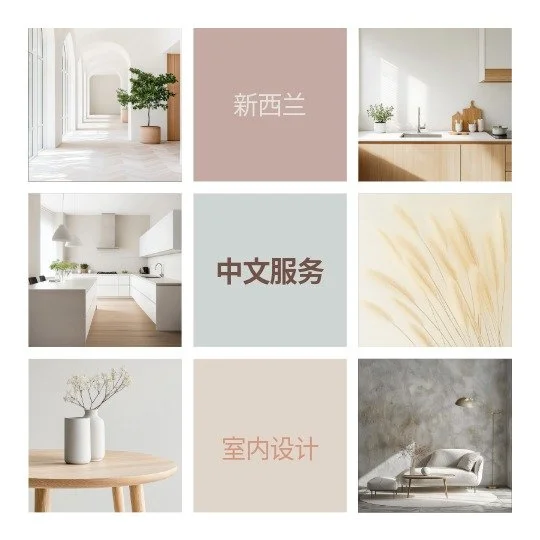
室内设计往往同时包含技术细节与个人审美表达,无论是翻新项目,还是单独的厨房设计,都需要把需求讲清楚、把细节落到位。
如果你更习惯使用普通话或粤语沟通,中文支持能帮助我们更准确理解你的想法,减少误会,并让每一次关键决定更清晰、更可执行。
Bean Interiors 可提供中文沟通支持,并在新西兰本地完成室内设计与翻新协作(含与供应商/施工方的对接与流程协调)。
中文沟通支持适用场景:
翻新项目涉及大量细节(尺寸、柜体、材料选型、现场配合与进度)
厨房需结合中式烹饪习惯(油烟处理、易清洁表面、收纳规划与动线)
希望在新西兰的生活方式中,融合个人背景的审美与空间逻辑
如需了解是否适合你的项目,欢迎与我们联系咨询。
Chinese-language interior design support
Some interior projects are primarily visual. Others involve ongoing decisions that are both technical and personal, especially renovations and kitchens. For clients who prefer to communicate in Mandarin or Cantonese, Chinese-language support can make the design process clearer, more accurate, and less stressful.
At Bean Interiors, we can provide Chinese-language communication alongside our design work in New Zealand.
Why Chinese-language support can matter
1) Renovations combine technical decisions with personal expression
A renovation is often a series of detailed choices: measurements, cabinetry, materials, lighting, waterproofing, and construction sequencing. At the same time, it’s also about what feels right for your daily life and your taste.
When the designer and client can communicate smoothly, it becomes easier to:
confirm exactly what has been agreed
compare options with different technical implications
reduce misunderstandings during site coordination
Clear communication is not an “extra”. It’s part of good design delivery.
2) Shared cultural context helps plan kitchens that work for Chinese cooking
Many kiwi kitchens are designed around Western cooking patterns. If you cook Chinese food regularly, priorities may shift—heat, ventilation, cleaning, storage, and workflow.
We consider practical needs such as:
rangehood performance and positioning
splashback and benchtop finishes that handle frequent high-heat cooking
layout flow for prep and multi-dish cooking
storage for larger cookware, appliances, and pantry categories
The goal is not a “standard Chinese kitchen”, but a kitchen that fits your real routines—within a New Zealand home layout.
3) A bilingual design lens can offer alternative inspiration
Design influences are not limited to one culture. When you’re familiar with both Chinese spatial thinking and NZ living patterns, you can explore a wider set of references while keeping the home grounded and practical.
This can show up through:
stronger attention to spatial sequence and layout logic
calm, balanced composition and alignment
thoughtful material contrast and texture
Often the most successful results feel natural in Auckland, while still reflecting your background and personal taste.
If you are planning a home renovation and would like Chinese-language support, we are happy to talk through your goals and constraints first. Contact Us.