

How to Choose Materials for a White Kitchen That Feels Layered, Not Boring!
A white kitchen is timeless. It feels clean, bright, and effortlessly elegant. But without careful material selection, it can quickly become flat, cold, or visually uninteresting.
The key is layering—using different textures, tones, and finishes to create depth while staying within a white palette.
Below is a practical guide to help you design a white kitchen that feels rich, balanced, and full of character.
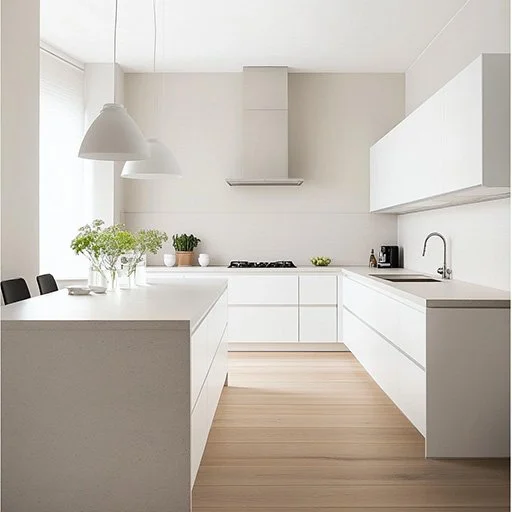
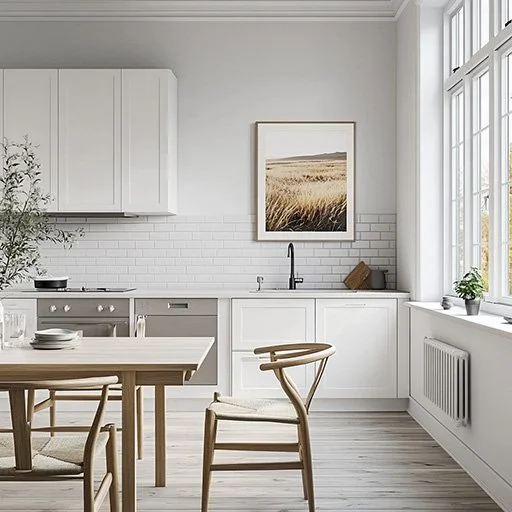
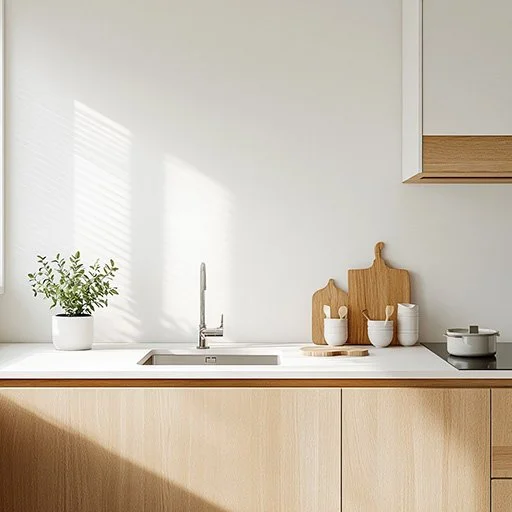
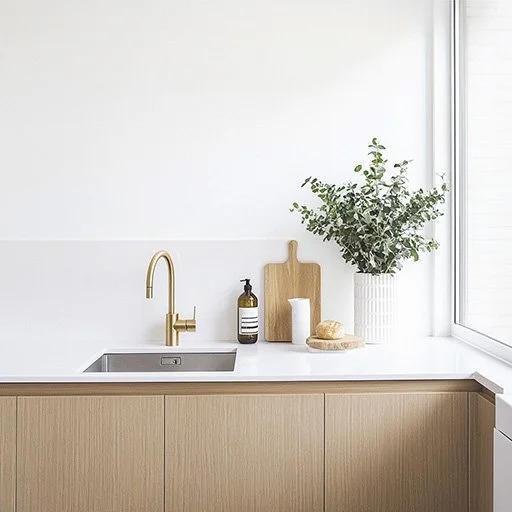

1. Start with a Warm White Base
Not all whites are the same. Choosing the right base tone is the foundation of a layered kitchen.
Cool whites (blue or grey undertones) can feel sharp and modern, but may come across as sterile if overused. Warm whites (with subtle yellow, beige, or creamy undertones) create a softer, more inviting atmosphere.
Design tip:
Stick to one dominant white tone across cabinetry and walls, then layer variation through materials rather than switching between multiple whites.
2. Mix Materials, Not Just Colours
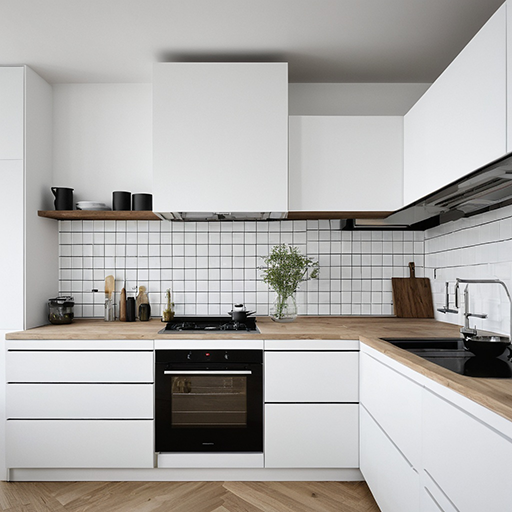
A common mistake is using the same finish everywhere—flat white cabinets, plain white benchtop, glossy white splashback. This is what makes a kitchen feel “boring.”
Instead, introduce contrast through materials:
Cabinetry: painted MDF or timber veneer
Benchtop: engineered stone, natural marble, or porcelain
Splashback: tiles, stone slab, or textured surfaces
Even if everything is “white,” each material reflects light differently, creating depth.
3. Layer Textures for Visual Interest
Texture is what transforms a white kitchen from flat to sophisticated.
Consider combining:
Smooth satin or matte cabinetry
Subtle veining in stone surfaces
Handmade or slightly irregular tiles
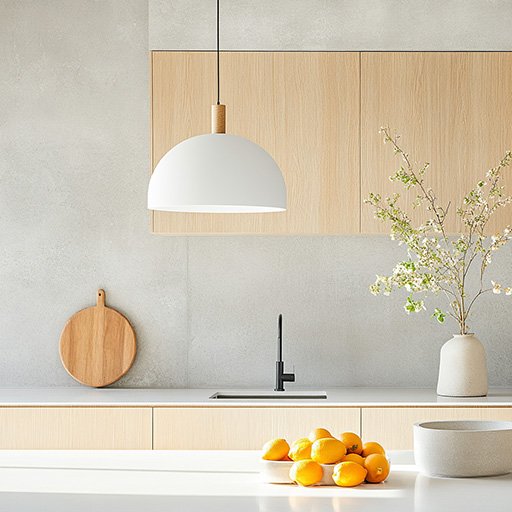
Timber grain (even in light tones)
These small differences catch light and shadow, making the space feel dynamic without adding colour.
4. Introduce Soft Contrast Through Neutrals
A layered white kitchen doesn’t have to be pure white everywhere. Adding soft neutrals enhances depth while maintaining a cohesive look.
Think about incorporating:
Light oak or ash timber
Warm beige or taupe tones
Soft grey accents
This creates a tonal palette rather than a single flat colour.
Design tip:
Use timber sparingly: on open shelving, island panels, or bar stools—to avoid overpowering the white base.
5. Use Hardware as a Design Layer
Handles and fixtures are small details that make a big impact.
Instead of defaulting to standard chrome, consider:
Brushed brass for warmth
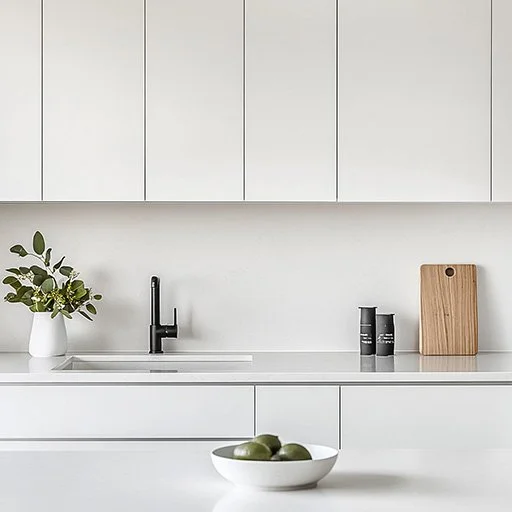
Matte black for contrast
Stainless steel for a clean, modern look
These elements break up the white and add personality without overwhelming the design.
6. Keep It Balanced, Not Busy
Layering doesn’t mean adding everything. The goal is subtle contrast, not clutter.
A well-designed white kitchen usually includes:
2–3 key materials
1–2 accent finishes
A consistent colour temperature
Restraint is what keeps the space feeling calm and refined.
A white kitchen should never feel like a blank canvas. It should feel intentional, layered, and lived-in.
By carefully selecting materials, textures, and finishes, you can create a space that is timeless yet full of depth.
At Bean Interiors, we believe great design is not about adding more, but about choosing better.